

In recent years, businesses worldwide have embraced cloud solutions for flexibility and convenience. However, a growing trend indicates that some are reconsidering this strategy, opting to return to on-premise infrastructure. What’s driving this change? Cost considerations, data control, and evolving security needs are all part of the equation. Let’s take a closer look at why on-premise solutions are regaining popularity.
While cloud computing continues to work well for many, a notable number of businesses are transitioning back to on-premise solutions. According to a recent Citrix study, 25% of organizations in the UK have already moved half or more of their cloud-based workloads back on-premise. This raises an important question — why? And should your business be considering a similar move?
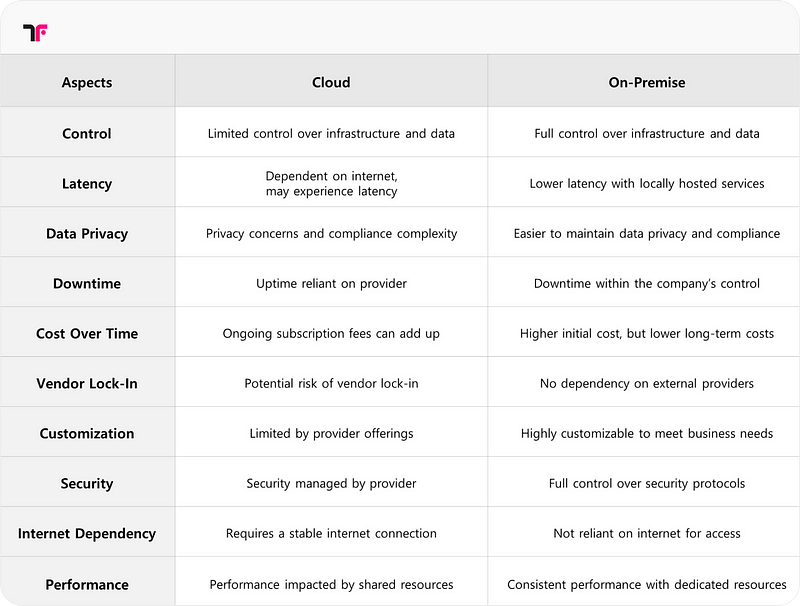
At first glance, cloud services may appear cost-effective. However, the cumulative costs associated with monthly subscriptions, data storage, and potential price increases can add up. On-premise systems often require a higher initial investment, but they offer long-term savings by avoiding recurring costs. While maintenance costs exist with on-premise solutions, they tend to be more predictable, helping businesses budget more effectively.
Relying on a third-party cloud provider means relinquishing some control over your infrastructure. Service disruptions or changes in provider policies can lead to unexpected downtime. On-premise solutions allow businesses to retain full control over their infrastructure, reducing the risk of operational interruptions. For companies where uptime is critical, this stability is a significant advantage.
Although cloud providers invest heavily in security measures, the responsibility for data protection ultimately lies with the business. Cloud storage can expose sensitive data to risks, including third-party vulnerabilities. On-premise solutions give businesses more control over their security protocols, enabling them to tailor their defenses to specific needs and mitigate the risk of external threats.
Cloud services, while versatile, often come with limitations on customization. Businesses requiring highly tailored configurations may find themselves constrained by the options available. In contrast, on-premise solutions allow for greater customization of software and infrastructure, providing the flexibility to build systems that meet unique business requirements.
Industries such as healthcare, finance, and government face strict regulations surrounding data management. Meeting compliance requirements can be challenging when data is stored off-site in the cloud. On-premise solutions offer businesses more control over their data, simplifying the process of adhering to both local and international standards.
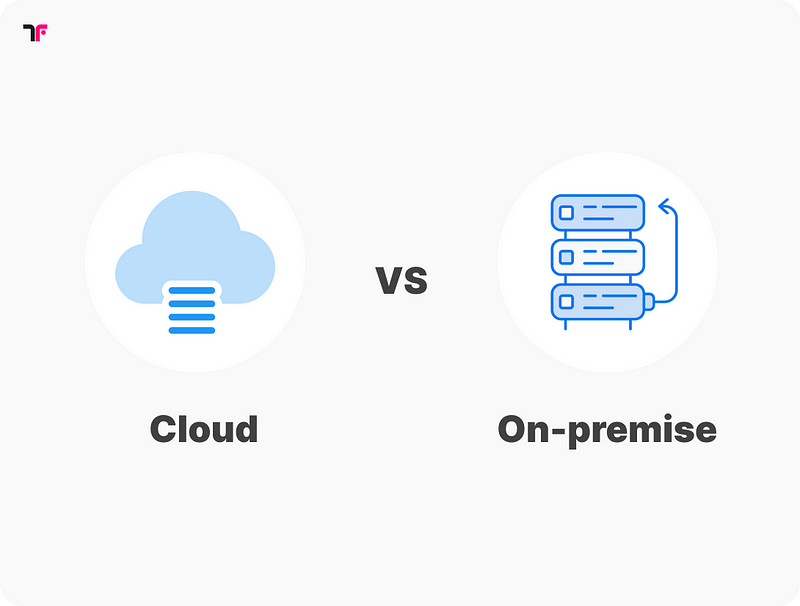
While cloud solutions offer convenience, they may not be the best fit for every organization. The following comparison highlights key differences between cloud and on-premise infrastructure:
Although cloud services remain a popular choice for many businesses, there have been instances where organizations have faced challenges due to unexpected changes in cloud offerings. Here are a few notable examples:
These examples underscore the reality that relying on cloud services can involve risks outside of a company’s control. In contrast, on-premise solutions provide stability and autonomy over key systems, safeguarding businesses from such disruptions.
For businesses evaluating a shift to on-premise solutions, Thinkfree Office provides a reliable option.
Key advantages include:
On-premise infrastructure offers a stable, secure, and cost-effective alternative to cloud services. Thinkfree Office gives businesses the tools to maintain control, enhance security, and manage costs more effectively, making it an attractive option for organizations looking to future-proof their IT operations.
Interested in exploring on-premise solutions? Discover how Thinkfree can transform your business today.
Like this post? Share with others!